Rick Moranis was sitting somewhere in Hall H beneath Dark Helmet’s enormous black helmet while a squad of Spaceballs troopers combed the audience with equally enormous combs. They found him. Moranis stood up, the room followed, and for a while nobody had to pretend this was an ordinary film panel.
He is seventy-three now. His last live-action film came out in 1997, and the years since have been treated as a disappearance by an industry that struggles with the idea of somebody leaving it voluntarily. Moranis’s wife died in 1991. He stepped back to raise their children, kept working when it suited him and never showed much interest in making the decision sound mysterious. At Comic-Con, he explained the absence in four words: he had been negotiating.
The line is Moranis all over. Dry enough to lose beneath the applause, generous enough not to interrupt it. Seeing him return carries considerably more emotional weight than anything in ‘Spaceballs’, where John Candy plays a half-man, half-dog creature and Mel Brooks controls both sides of the galaxy’s remaining air shortage.

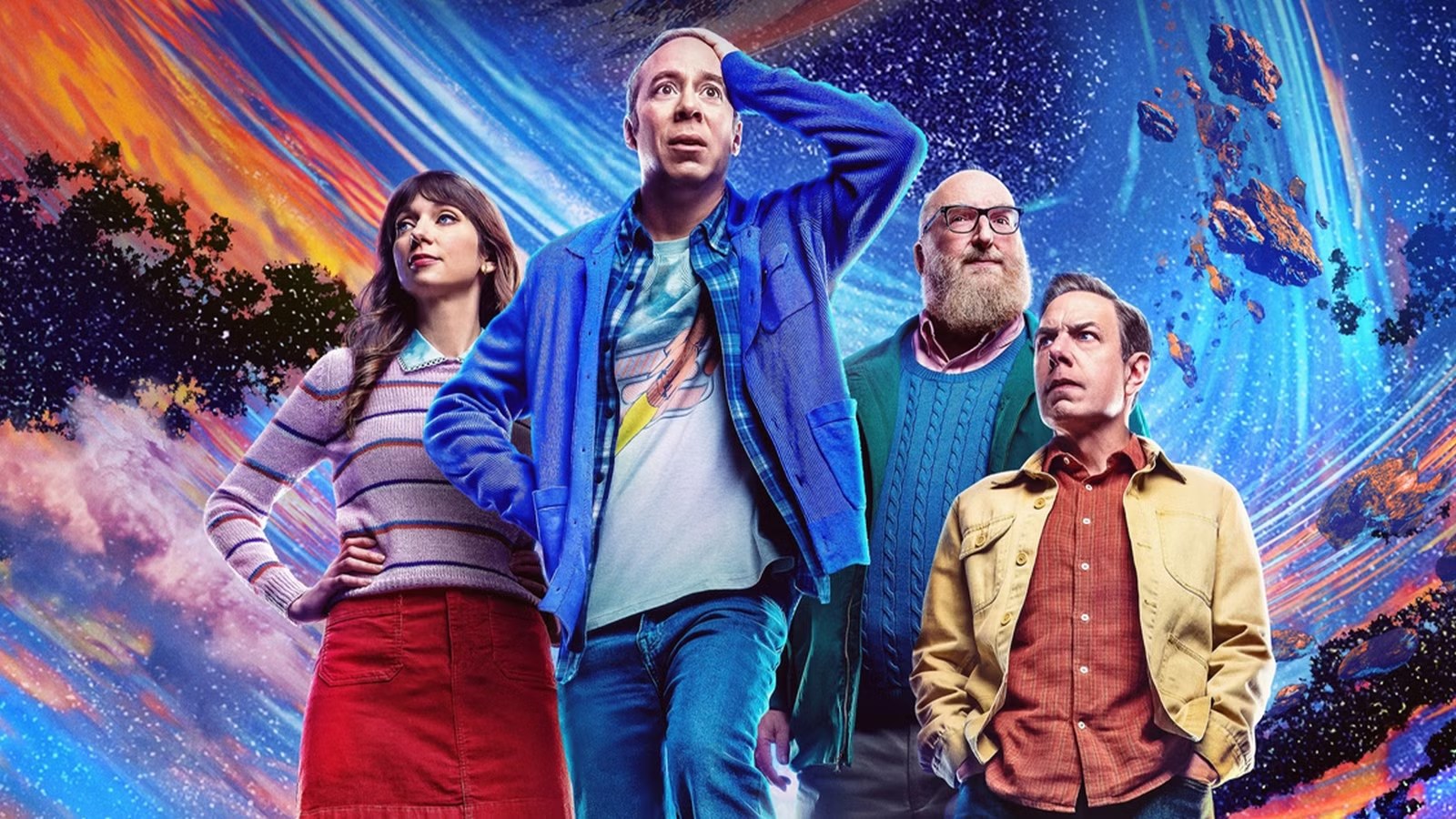
Brooks appeared on video, having turned one hundred in June. He returns as President Skroob and Yogurt, because mortality has apparently agreed to wait until production wraps. Bill Pullman sent his own recorded message and will again play Lone Starr. His son Lewis plays Prince Starburst, the child of Lone Starr and Princess Vespa. Daphne Zuniga returns as Vespa. George Wyner remains Colonel Sandurz, a man whose military career has now survived four decades without a noticeable improvement in judgement.
Josh Gad spent years getting the sequel made and now plays a new mawg. He is not replacing Barf, which saves everybody several months of joyless internet litigation. Keke Palmer joins him as Destiny. Josh Greenbaum directs from a script by Gad, Dan Hernandez and Benji Samit.
The title arrived at CinemaCon in April. Near the end of the original film, Yogurt promises ‘Spaceballs 2: The Search for More Money’. Brooks appeared in another recorded message to explain that the sequel would not be using it. After thirty-nine years, he said they had found the money.
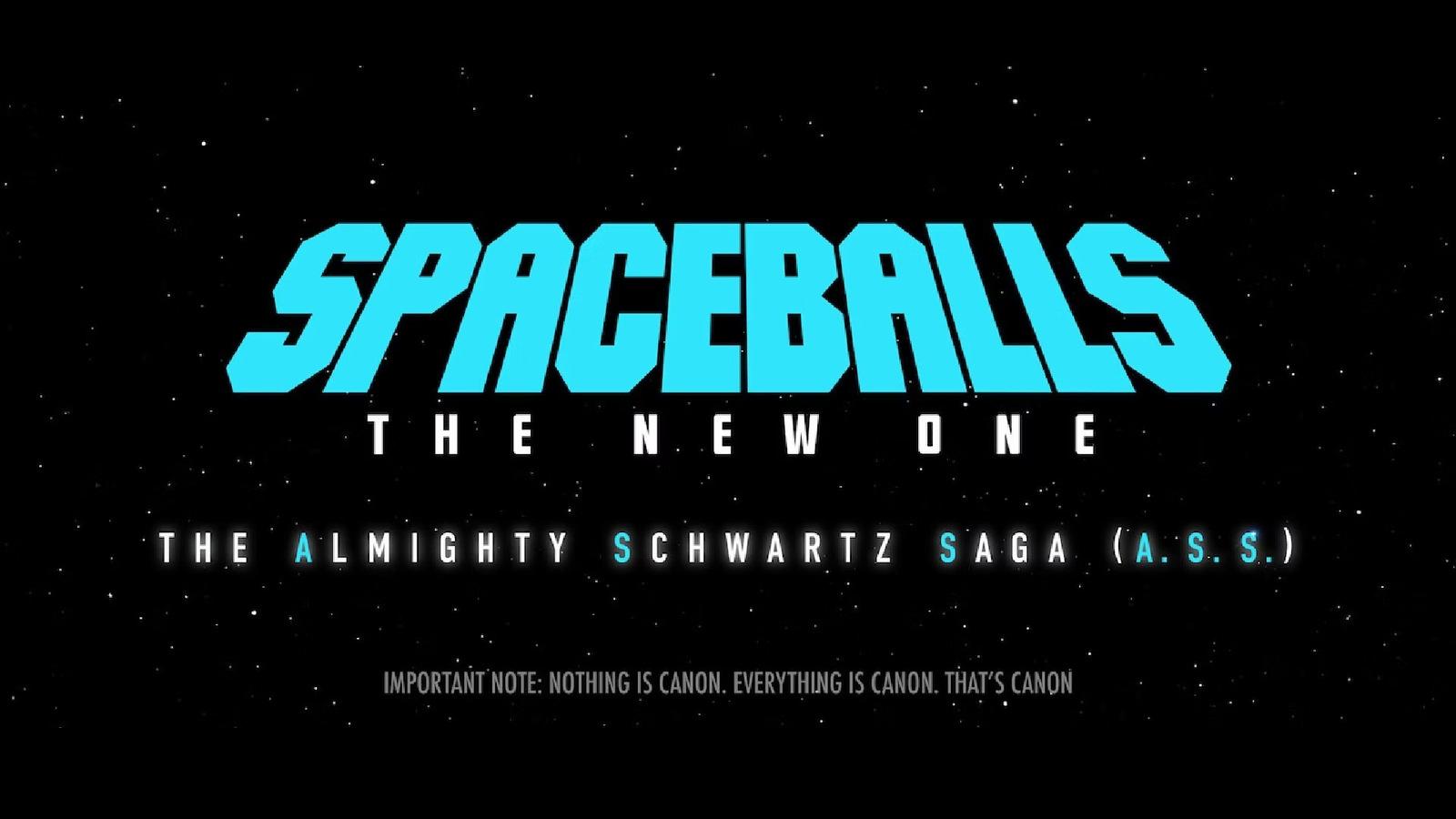
The film is called ‘Spaceballs: The New One’.
They also found a cinematic universe.
Comic-Con unveiled ‘The Almighty Schwartz Saga’, a fake franchise timeline stretching ‘Spaceballs’ across more than eleven phases of imagined sequels and extensions. Hall H watched a teaser and some behind-the-scenes footage. Returning actors discussed the old film while the newcomers praised the script. Amazon MGM Studios had placed a parody of franchise management inside the largest room at Comic-Con and given it the full franchise-management treatment.
The comedy sits somewhere inside all that. The machinery has excellent seats.
The original film understood merchandising before I did. Yogurt sells the T-shirt and breakfast cereal, then produces ‘Spaceballs: The Flamethrower’. Children love that one.
The flamethrower works because there should be a point where the branding stops. Brooks found it somewhere between the lunchbox and open flame. Nearly forty years later, that boundary has moved. A studio can make an eight-part series about the person who stocked Yogurt’s shelves. The announcement gets a countdown clock, followed by six months of interviews about how it expands the Schwartz.
The flamethrower now looks restrained.
‘Spaceballs’ was made when parody could still stand outside a blockbuster and throw things at it. ‘The New One’ arrives from Amazon MGM Studios, unveiled at Comic-Con with its own franchise map. Familiar faces provide the reassurance. It can make fun of the system, but Amazon has already given the joke a release date.
I still want the film to work. Moranis chose to return and called it the best decision he had ever made. Brooks remains involved at one hundred. Greenbaum directed ‘Barb and Star Go to Vista Del Mar’, a film that allowed an expensive joke to remain magnificently stupid long after a sensible production would have asked it to explain itself.
A broad comedy in cinemas would qualify as minor public infrastructure by now.
The first ‘Spaceballs’ had ‘Star Wars’ as its main target, with enough room left over to bother ‘Alien’ and anything else standing nearby. Its sequel arrives after another forty years of ‘Star Wars’ and the entire Marvel phase system. Legacy sequels became a business model somewhere along the way. Multiverses now let studios reorganise continuity without having to throw any of it away.
‘The New One’ can make fun of the lot. Amazon can then cut those jokes into social clips and place Dark Helmet on whatever merchandise the lawyers permit. People who remember Yogurt warning them about all this will buy tickets.
I probably will too.
‘Spaceballs: The New One’ reaches cinemas on 23 April 2027. ‘The Almighty Schwartz Saga’ already runs for more than eleven phases.
For now, only one of them has a release date.